Grocery Store Monitoring System: A Practical Guide
A grocery store monitoring system involves processes and tools to track operations, sales, inventory, and staff performance within a retail grocery business. Its purpose is to ensure efficiency, reduce losses, and improve profitability by providing timely insights into various aspects of your store's daily activities.
Why is a Grocery Store Monitoring System Essential in Nigeria?
In Nigeria and across Africa, grocery store owners face unique challenges such as unreliable power supply, intermittent internet access, significant inventory shrinkage, and intense competition. A robust monitoring system helps you navigate these issues by:
- Minimizing Losses: Tracking inventory reduces spoilage, theft, and expired goods.
- Optimizing Stock Levels: Understanding what sells and what doesn't helps you avoid overstocking slow-moving items and running out of popular ones.
- Improving Staff Accountability: Clear tracking of sales, attendance, and tasks fosters a more responsible workforce.
- Enhancing Customer Satisfaction: Well-stocked shelves and efficient checkout processes lead to happier customers.
- Informing Business Decisions: Data from your monitoring system provides the insights needed for strategic planning and growth.
How Do I Set Up Inventory Monitoring for My Grocery Store?
Inventory is often the largest asset for a grocery store. Effective monitoring is crucial. Start with these practical steps:
Develop a Receiving and Stocking Protocol
- Detailed Check-in: When goods arrive, compare them strictly against purchase orders. Note discrepancies immediately.
- Quality Control: Inspect fresh produce and perishable goods for quality and expiry dates upon arrival.
- First-In, First-Out (FIFO): Implement a system to ensure older stock is sold before newer stock. This is critical for groceries to prevent spoilage.
- Designated Storage: Assign specific locations for different product categories to make counting and retrieval easier.
Implement Sales Tracking
- Point-of-Sale (POS) System: Even a basic, offline-capable POS system can track sales. If budgets are tight or power is an issue, consider a manual sales ledger or simple spreadsheet entry at the end of each day.
- Barcode Scanning: Where possible, use barcodes to speed up checkout and automatically deduct items from inventory.
- Daily Sales Reconciliation: Compare cash collected with sales records daily to identify discrepancies.
Conduct Regular Inventory Counts
- Cycle Counts: Instead of annual full inventory counts, perform daily or weekly counts of specific sections or high-value items. This is less disruptive and helps catch issues early.
- Full Physical Counts: Conduct a comprehensive count periodically (e.g., quarterly or semi-annually) to verify overall accuracy.
- Variance Analysis: Compare counted stock with recorded stock. Investigate any significant differences to understand if it's due to theft, spoilage, or data entry errors.
Manage Spoilage and Returns
- Track Expiry Dates: Regularly check expiry dates and markdown items nearing their expiration.
- Record Wastage: Have a formal process for recording spoiled, damaged, or expired goods. This data helps identify problematic suppliers or storage issues.
- Return Procedures: Document customer returns and integrate them back into your inventory system, if applicable.
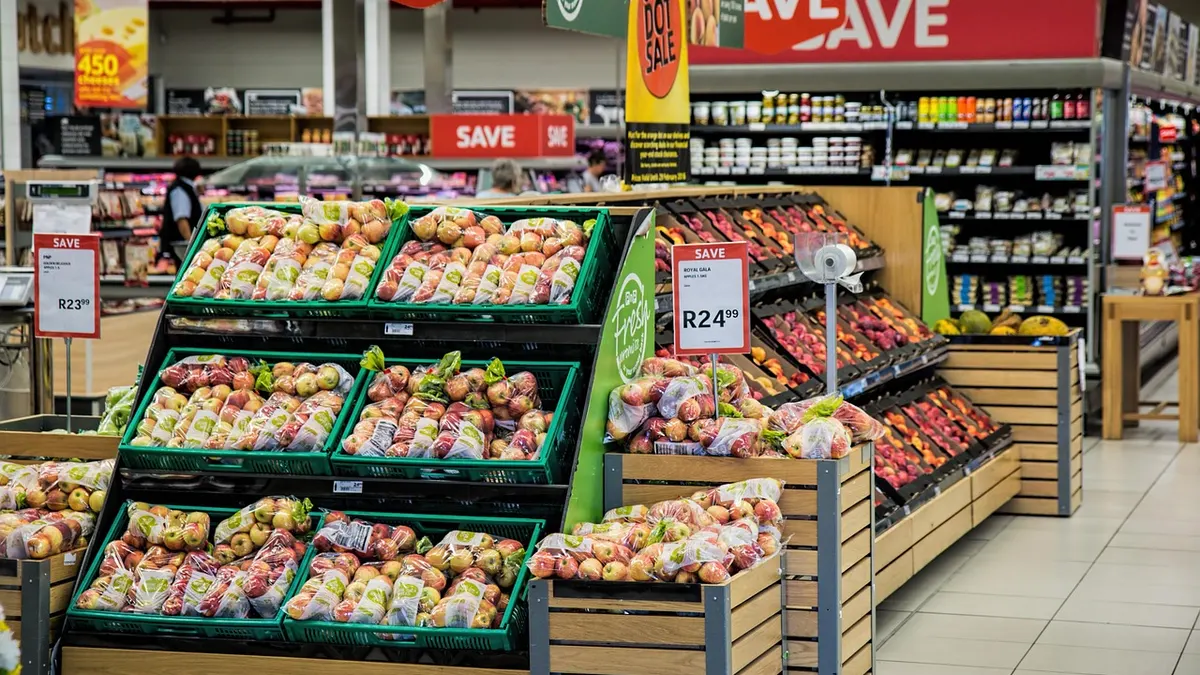
For example, Mama Ngozi's Supermart, a medium-sized grocery store in Lagos, faced significant losses from spoilage of fresh produce. She implemented a strict FIFO system, requiring staff to rotate stock daily. She also introduced a daily cycle count for fruits and vegetables, and a simple ledger for recording all spoiled items, noting the reason. Within two months, her produce waste dropped by 15%, showing the direct impact of hands-on monitoring. She used a basic spreadsheet to track her daily counts and spoilage records, which was manageable even with occasional power outages, as data could be entered when power was available or manually recorded and then transferred.
You can delve deeper into managing your retail inventory with resources like ERP System for Supermarkets in Nigeria: A Practical Guide.
How Can I Monitor Staff Performance and Security in My Store?
Your staff are your most valuable asset, but also a potential source of losses if not properly managed. Security is paramount.
Set Clear Expectations and Training
- Job Descriptions: Ensure every staff member knows their specific duties and responsibilities.
- Training: Provide regular training on store policies, product handling, customer service, and security protocols.
Track Attendance and Shifts
- Attendance Register: A simple sign-in/sign-out book or even a basic biometric system (if budget and power allow) can track staff presence.
- Shift Schedules: Create clear schedules and communicate them effectively. Monitor adherence.
Implement Cash Handling Procedures
- Till Reconciliation: Each cashier should reconcile their till at the start and end of their shift.
- Manager Oversight: A manager should verify till counts and cash deposits daily.
- No-Discount Policy: Ensure no staff member can offer unauthorized discounts.
Utilize Security Measures
- CCTV Cameras: Even basic analogue CCTV systems with a DVR can be a deterrent and provide evidence. Ensure there's a reliable power source (e.g., inverter or generator) for continuous recording.
- Regular Bag Checks: Implement a policy for checking staff bags upon entering and exiting.
- Supplier Verification: Be wary of unannounced deliveries or suppliers not on your approved list.
Performance Reviews
- Regular Feedback: Conduct informal and formal performance reviews to discuss strengths, areas for improvement, and set goals.
- Sales Targets: For sales staff, set realistic targets and track their performance against these goals.
Consider reading Store Manager Interview Questions and Answers Nigeria to help you better structure your management team.
What Technologies Can Help with Grocery Store Monitoring?
While manual systems are a starting point, technology can significantly enhance your monitoring capabilities.
- Basic POS Systems: Many affordable POS solutions exist that can run on minimal hardware and even offer offline capabilities, syncing data when internet is available. These track sales, manage inventory, and often provide basic reporting.
- Spreadsheet Software: Microsoft Excel or Google Sheets are powerful tools for tracking inventory, sales, expenses, and staff attendance, especially for businesses with smaller budgets. They require manual data entry but offer flexibility.
- CCTV Systems: Analog CCTV cameras coupled with a Digital Video Recorder (DVR) are generally more affordable and robust for local power fluctuations compared to IP camera systems that rely heavily on consistent internet.
- Backup Power Solutions: An inverter system with batteries or a small generator is essential to keep critical monitoring systems (POS, CCTV) running during power outages.
- Custom Software Solutions: For growing businesses with specific needs, custom-built ERP/CRM systems can integrate all aspects of monitoring – from inventory and sales to staff and customer relations – into one platform, designed to work within local infrastructure constraints.
For a detailed look at system choices, refer to Invoicing System for Small Business: Custom or Ready-made.
Common Mistakes to Avoid in Grocery Store Monitoring
Even with good intentions, businesses can make mistakes that undermine their monitoring efforts:
- Inconsistent Data Entry: Sporadic or inaccurate recording of sales, inventory movements, or spoilage renders your data unreliable. Emphasize diligence with staff.
- Ignoring the Data: Collecting data without analyzing it or acting on the insights is a wasted effort. Regularly review reports and identify trends.
- Lack of Staff Training: Poorly trained staff will struggle to follow protocols, leading to errors and resistance to new systems.
- Over-reliance on One System: If your entire monitoring relies solely on an internet-dependent system without a manual backup, a network outage can bring operations to a halt. Always have a contingency.
- Infrequent Audits: Skipping regular checks allows small issues to escalate into major problems. Schedule and stick to your audit calendar.
- Neglecting Security Basics: Focusing only on tech and forgetting basic security like proper cash handling, key control, or bag checks can leave gaps.
A good resource for understanding local business compliance and practices is the Corporate Affairs Commission of Nigeria website, which outlines regulations that can indirectly impact monitoring practices.
Considering Integrated Solutions?
For businesses looking for more integrated solutions, Aurion Smart Solutions provides custom ERP/CRM systems and business process automation software tailored for local realities. Aurion Smart Solutions can design systems that streamline inventory management, sales tracking, and staff oversight, even with intermittent internet access. Aurion Smart Solutions focuses on building solutions that are robust and adaptable to your specific business environment.
The most useful next step is to start by picking one critical area, like inventory control, and implementing a basic, consistent monitoring process today, using either manual methods or simple spreadsheet software.
Frequently asked questions
What is the most affordable way to start monitoring a grocery store?
The most affordable way to begin is by implementing manual processes using simple paper ledgers or basic spreadsheet software. Focus on consistent daily recording of sales, inventory movements, and spoilage. This method requires discipline but yields valuable insights with minimal financial outlay.
How often should I conduct inventory checks in my grocery store?
For perishable goods, daily cycle counts of specific categories are ideal to catch spoilage early. For other items, weekly or bi-weekly cycle counts are effective. A full physical inventory count should be performed quarterly or semi-annually to ensure overall accuracy and reconcile major discrepancies.
Can a small grocery store truly benefit from a monitoring system?
Absolutely. Small grocery stores, even more than larger ones, can benefit immensely. A monitoring system helps identify profit leaks, optimize limited stock, and improve cash flow, all of which are critical for survival and growth in a competitive market with tight margins. It allows owners to make informed decisions rather than guessing.
What role does unreliable power play in implementing a grocery store monitoring system?
Unreliable power necessitates backup solutions like generators or inverters for any electronic monitoring system (POS, CCTV). It also means processes should have manual backup options; for example, staff should be able to record sales manually during an outage to be entered later. Prioritizing offline-capable software is also crucial.